
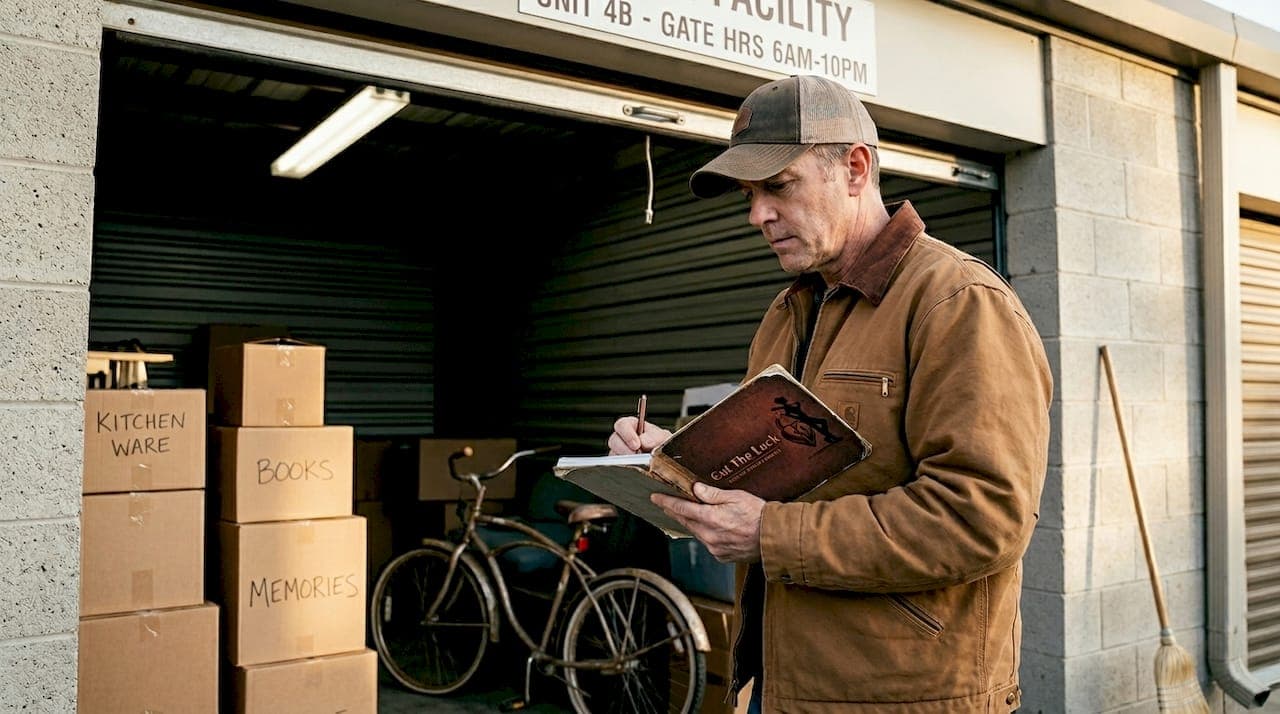
Buying a storage unit at auction feels like a gamble every single time. You're staring into a 10x10 space for a few minutes, trying to calculate whether the contents are worth $50 or $500. Most first-timers walk away with a unit full of broken furniture and trash bags. The ones who consistently profit use a methodical checklist to cut through the chaos. This guide walks you through every stage, from pre-auction prep to post-win cleanup, so you can make smarter bids, protect your budget, and handle every find with the care it deserves.
Table of Contents
- Understand the rules and prepare before the auction
- What to look for during the storage unit preview
- Checklist for bidding and buying at the auction
- Handling your win: Cleaning out, sorting, and legal ethics
- Expert strategies for maximizing your ROI
- A reality check: The untold truth behind storage unit auctions
- Ready to start your storage unit auction journey?
- Frequently asked questions
Key Takeaways
| Point | Details |
|---|---|
| Prep is everything | Learning rules, budgeting, and bringing the right tools sets you up for success at storage auctions. |
| Preview for value | In minutes, spotting green and red flags helps you avoid costly junk units and focus on profit. |
| Bid smart | Set limits, factor in all costs, and start small to avoid the most common beginner mistakes. |
| Follow up ethically | Sort, clean, and return sensitive items after winning to stay legal and build good reputation. |
| Keep expectations real | Hard work and discipline matter more than TV hype if you want long-term profit in storage auctions. |
Understand the rules and prepare before the auction
Preparedness is critical before you even step into an auction setting. The first thing you need to understand is that storage auctions are governed by state lien laws. These laws allow facilities to auction off units when a tenant falls 30 to 90 days delinquent on payments, after proper notices are sent. Every state has slightly different rules, so look up your state's specific lien law before you register for your first auction.
Finding auctions is easier than most people think. The biggest platforms are StorageTreasures.com and StorageAuctions.com, which list both live and online auctions by zip code. You can also call local storage facilities directly, since some run their own auctions without listing them online. Knowing how storage auctions work before you show up saves you from rookie confusion on auction day.
To register, you'll typically need a valid government-issued ID and a deposit, which varies by facility. Most auctions require cash or certified funds for payment, so don't show up with only a credit card. Bring a flashlight, work gloves, a measuring tape, and a truck or large vehicle if you plan to win. These aren't optional extras; they're basic tools that separate prepared buyers from unprepared ones.
What to bring to every auction:
- Government-issued ID and registration deposit
- Cash or certified funds (exact amount varies by auction)
- Flashlight and work gloves
- Truck, van, or trailer for hauling
- Notepad or phone for notes on each unit
- Basic cleaning supplies for post-win cleanup
Set a strict budget before you arrive. Average bids range from $50 to $300, but your real cost includes disposal fees, hauling, taxes, and your time. A unit you win for $150 can cost $400 total once you factor in a dump run and an afternoon of sorting.
Pro Tip: Attend two or three auctions as an observer before placing your first bid. Watch how experienced buyers position themselves, how fast bidding escalates, and which units they pass on without hesitation. You'll absorb more in one afternoon than any guide can teach you.
"The buyers who consistently profit treat auctions like a business, not a treasure hunt. They show up prepared, they set hard limits, and they walk away from units that don't meet their criteria."
What to look for during the storage unit preview
Once you're at the auction, knowing what to look for in mere minutes is crucial. You get 3 to 5 minutes at the doorway to evaluate each unit. No touching, no digging, no stepping inside. Everything you need to decide comes from what you can see from the threshold.
The good news is that experienced buyers can read a unit fast. Organization is your biggest green flag. Labeled boxes, neatly stacked items, and visible quality furniture suggest someone who valued their belongings and packed carefully. That kind of care usually means better contents. Solid wood furniture, visible electronics, tools, sporting goods, and clothing racks on hangers are all positive signals worth noting.
Red flags are equally easy to spot once you know what to look for. Trash bags dominating the space almost always mean low-value household junk. Water stains on walls or boxes, signs of pests, strong odors, and particleboard furniture instead of solid wood are all reasons to lower your maximum bid or walk away entirely. Expert tips for evaluating units consistently point to mold and moisture damage as the fastest way to turn a promising unit into a money pit.
Green flags to look for:
- Labeled, organized boxes stacked neatly
- Solid wood furniture (dressers, tables, bookshelves)
- Visible electronics, tools, or sporting equipment
- Clothing on hangers or in garment bags
- Clean walls and floor with no visible moisture
Red flags to avoid:
- Mostly trash bags or loose garbage
- Water stains, mold, or strong musty odor
- Particleboard or heavily damaged furniture
- Signs of pest activity (droppings, chewed items)
- Mattresses as the dominant item
Pro Tip: Use your phone's notes app to quickly rate each unit during preview. A simple 1 to 5 score with a few keywords helps you compare units clearly when bidding starts, especially at larger auctions with 10 or more units.
"You can learn more about what happens at auction by studying the sequence of events before you ever place a bid."
Checklist for bidding and buying at the auction
With your best candidates identified, it's time to place your bids wisely. The most important thing to understand about storage auctions is that you're bidding on the entire unit, exactly as it sits. There are no returns, no cherry-picking, and no negotiations after the hammer falls. Everything inside is yours, including the junk.
Set your maximum bid before the auctioneer starts calling numbers. Base it on the visible items you noted during preview, then subtract your estimated cleanup and disposal costs. If you saw solid furniture and electronics worth roughly $400 at resale, and you expect $80 in disposal costs, your maximum bid should sit well under $300 to leave room for profit.
Bidding checklist for every unit:
- Confirm your maximum bid before bidding opens
- Note the visible items and estimate their resale value
- Subtract disposal, hauling, and time costs from your estimate
- Wait for the initial bidding rush to slow before entering
- Hold your maximum firm, even if the crowd pushes higher
- If bidding exceeds your number, walk away without regret
Beginners should keep first bids under $100 maximum to limit risk while learning. The learning curve is real, and a $75 loss on a bad unit stings far less than a $400 mistake. Processing a single unit can take 10 to 40 hours once you factor in hauling, sorting, cleaning, listing, and selling. That time has real value.
Pro Tip: Don't jump in the moment bidding opens. Let the first wave of excitement drive prices up, then enter when the pace slows. You'll often find the crowd thins out faster than you expect, and you can secure a unit at a lower price by simply being patient.
Average bids: Online auctions typically settle between $50 and $250. In-person auctions run slightly higher, averaging $75 to $300, depending on location and unit size.
If you're thinking about what to do when you find personal items in a won unit, the find lost objects after auction process matters more than most buyers realize.
Handling your win: Cleaning out, sorting, and legal ethics
Securing the winning bid is just the start of real work with a storage unit. Most facilities require you to clear the unit within 24 to 72 hours and leave it broom-clean. That deadline is firm. Missing it can cost you your deposit and damage your reputation with the facility manager.
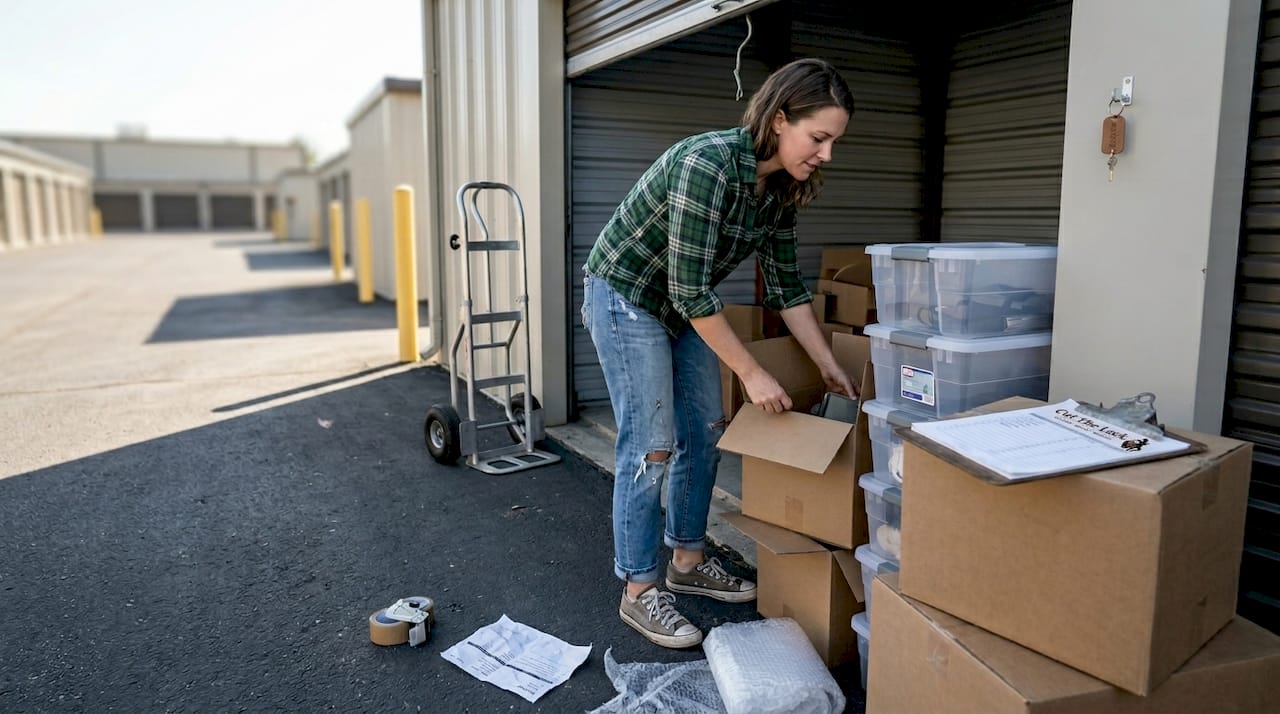
Sorting is where your profit is actually made. Work through the unit systematically, separating items into three categories: resell, donate, and dispose. Electronics, tools, furniture, collectibles, and clothing in good condition go into the resell pile. Items that are usable but not worth listing go to donation. Broken, damaged, or genuinely worthless items go straight to disposal.
| Category | Best channel | Time investment | Typical return |
|---|---|---|---|
| Resell | eBay, Facebook Marketplace, local | High (listing, shipping) | Highest |
| Donate | Goodwill, Habitat for Humanity | Low | Tax deduction |
| Dispose | Dump run, junk hauler | Low to medium | Cost (not income) |
The legal part of sorting is non-negotiable. Personal documents, photos, medications, and firearms must be returned to the facility. Keeping these items is not a gray area. It's a legal requirement. Facilities have protocols for handling them, and your job is to flag them immediately.
Ethics go beyond the legal minimum. If you find a box of family photos, a child's artwork, or an urn, those items carry weight that no resale price can justify. Recovering lost items and getting them back to their owners is the right call, full stop.
"The auction mythbusting reality is this: the buyers who handle personal finds with integrity build better reputations, better relationships with facilities, and better long-term results."
Expert strategies for maximizing your ROI
Moving beyond your first win, expert approaches can amplify your success and reduce costly mistakes. The buyers who turn storage auctions into a reliable income stream treat it like a business from day one. That means tracking every dollar in and every dollar out.
Build a simple spreadsheet that logs each unit you win, what you paid, what you found, what you sold each item for, and your total net profit. Over time, this data tells you which types of units perform best for you, which facilities run better auctions, and where your time is most efficiently spent. Treating auctions as a business with a tracking spreadsheet is one of the clearest separators between hobbyists and consistent earners.
Advanced strategies for repeat success:
- Build relationships with facility managers for early notice on upcoming auctions
- Inspect every item for pests before bringing it into your home or vehicle
- Clean and photograph items before listing to increase resale value significantly
- Use eBay's sold listings to price items accurately before you bid
- Attend auctions at multiple facilities to compare quality and competition levels
- Network with other bidders to learn which facilities consistently run better units
Pro Tip: Introduce yourself to the facility manager after your first win. A simple, professional conversation can put you on their radar for private notifications about upcoming auctions. Some managers will call preferred buyers directly before listings go public.
Knowing the common finds in units helps you price your bids more accurately because you'll recognize the realistic resale value of what you're seeing during preview, not what you hope it might be worth.
The buyers who consistently profit also know when to walk away. Not every auction is worth attending, and not every unit is worth bidding on. Discipline is the skill that separates a profitable quarter from an expensive hobby.
A reality check: The untold truth behind storage unit auctions
TV shows have done real damage to how people approach storage auctions. The edited highlight reels make it look like every unit contains vintage guitars, rare coins, and designer furniture. The reality, as most buyers will tell you honestly, is that most units contain everyday household items, broken appliances, and bags of clothing that won't sell for much.
That doesn't mean auctions aren't worth it. They absolutely can be. But the profit comes from discipline, not luck. The buyers who win consistently are the ones who set hard limits, do the math before bidding, and don't let excitement override their numbers.
There's also an ethical dimension that most guides skip entirely. When you win a unit, you're stepping into someone's worst moment. A missed payment, a medical emergency, a job loss. The contents of that unit often represent years of a person's life. Finding lost items like family photos or irreplaceable documents and returning them isn't just legally required in many cases. It's simply the right thing to do. The buyers who treat that responsibility seriously build something more valuable than a resale profit. They build a reputation worth having.
Ready to start your storage unit auction journey?
You now have a complete picture of what it takes to buy storage units with confidence, from pre-auction prep to post-win sorting and ethical handling of personal finds. The next step is putting that knowledge into action with the right support behind you.

At Cut The Lock, we buy abandoned storage units, catalog every item inside, and work to reunite original owners with their most irreplaceable belongings before reselling everything else. If you've lost something in a storage unit, you can report lost items and we'll search our catalog for you. If you're looking for quality finds at fair prices, browse available items in our curated marketplace. We believe one person's worst day doesn't have to be permanent.
Frequently asked questions
How do I find legitimate storage unit auctions near me?
Most auctions are listed on StorageTreasures.com and StorageAuctions.com or announced directly by local storage facilities. Calling facilities in your area is one of the most reliable ways to find auctions that aren't listed online.
What are the biggest beginner mistakes at storage auctions?
Overbidding, ignoring disposal costs, and missing red flags during preview are the most common errors. Success requires a realistic resale plan, a disposal strategy, and low expectations going in.
Is it legal to keep everything found in a storage unit?
No. Personal documents, medications, and firearms must be returned to the facility by law. Keeping prohibited items is not a gray area and can carry serious legal consequences.
How long do I have to empty a won storage unit?
Most facilities require winners to clear the unit within 24 to 72 hours and leave it broom-clean. Missing this deadline can cost you your deposit.
Is storage unit buying really as profitable as TV shows suggest?
Rarely. Most units contain everyday household items rather than rare finds. Consistent profit comes from discipline, realistic expectations, and treating every auction as a calculated business decision.