
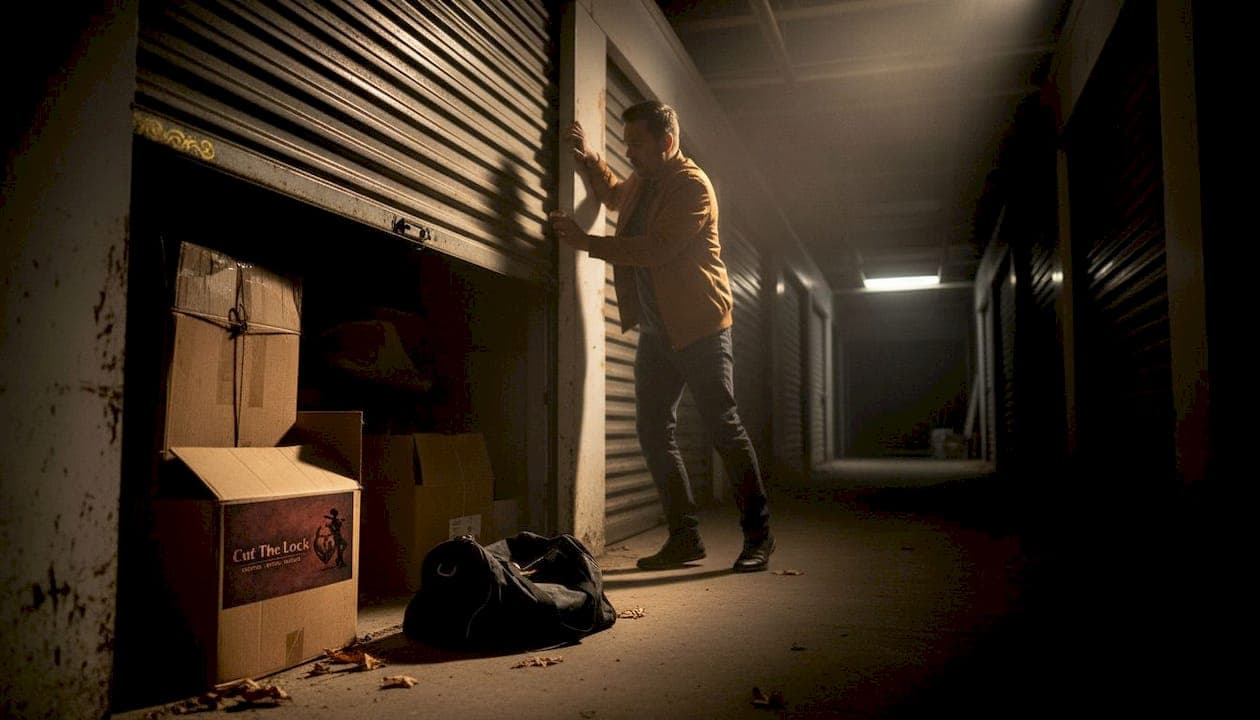
Every abandoned storage unit tells a story. Someone fell behind on rent, life got complicated, and suddenly a warehouse full of their belongings went to auction. What buyers find inside runs the full spectrum: family photos tucked into shoeboxes, coins worth thousands, vintage furniture, and occasionally something truly jaw-dropping. Sorting through it all takes more than curiosity. It takes a trained eye, a sense of ethics, and the ability to recognize that behind every item is a person who once cared about it deeply. This article breaks down exactly what you're likely to find and what to do when you find it.
Table of Contents
- Sentimental and personal items: Photos, documents, keepsakes
- Collectibles and valuables: Antiques, coins, memorabilia
- Everyday items: Appliances, furniture, clothing, media
- Rare and unusual finds: Oddities, surprises, and cautionary tales
- What most treasure seekers miss about storage unit finds
- Where to discover, recover, or return storage unit treasures
- Frequently asked questions
Key Takeaways
| Point | Details |
|---|---|
| Personal items are common | Family photos, documents, and keepsakes appear in most storage units and should be handled ethically. |
| Collectors’ treasures | Antiques, coins, and memorabilia often yield significant resale value with the right approach. |
| Test appliances before resale | Always check electronics and furniture for functionality and safety before listing. |
| Risks and rewards | Unusual finds may be valuable or risky, so knowledge and caution are both essential. |
| Return sensitive materials | Respect legal and ethical guidelines by attempting to return personal or legal items when possible. |
Sentimental and personal items: Photos, documents, keepsakes
Of all the discoveries inside abandoned units, the most emotionally loaded are also the most common. Family photographs, birth certificates, marriage licenses, letters, children's report cards, and handwritten journals show up in unit after unit. These aren't rare flukes. They're the natural result of how people store their lives: in boxes, shoved to the back of a rental unit, sometimes forgotten for years before circumstances forced the account to go delinquent.
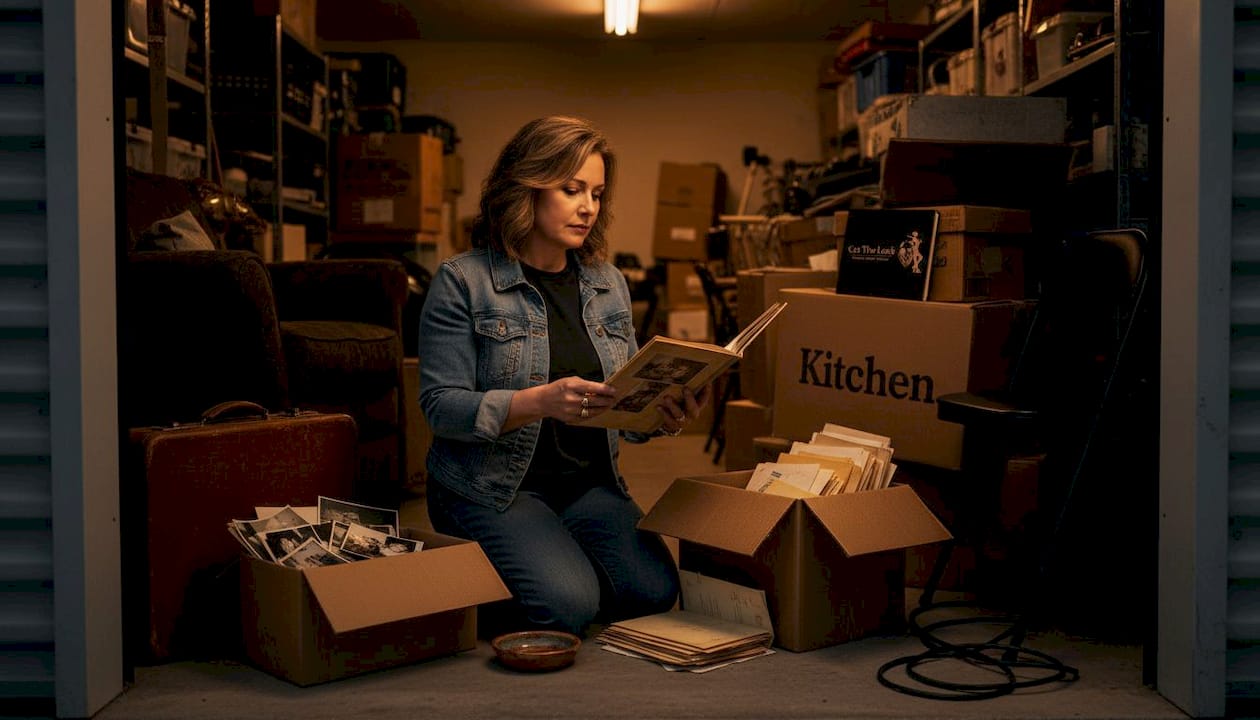
What makes these finds particularly significant is that no resale market exists for them. A vintage couch has a dollar value. A grandmother's handwritten recipe cards do not, at least not to anyone except the family they belonged to. That gap between market value and personal value is exactly where the most important decisions get made.
Common sentimental items found in storage units:
- Printed photo albums and loose photographs
- Birth certificates, Social Security cards, and passports
- Military service records and medals
- Handwritten diaries and personal letters
- Children's artwork and school projects
- Urns containing cremated remains
- Heirlooms such as jewelry, watches, and religious items
The ethical and legal questions around these finds are real. Personal documents like Social Security cards and passports fall under federal identity theft laws, meaning improper handling isn't just morally wrong — it can be illegal. Experienced buyers handle these respectfully and make every attempt to locate the original owner before discarding or destroying them.
Emotional reunions do happen. People have had their parents' ashes returned to them, discovered wedding albums they assumed were gone forever, and received military medals that belonged to a grandfather. These moments are the exception in a typical transaction, but they're the moments that stick.
Pro Tip: If you find any form of government-issued identification, driver's licenses, or Social Security cards, place them in a clearly labeled envelope and contact the storage facility immediately. Many states have legal requirements about how these items must be handled after an auction.
The process of retrieving sentimental items from a unit that's already been auctioned is more possible than most people realize. Services dedicated to recovery can bridge the gap between the buyer who found the items and the family who lost them.
Collectibles and valuables: Antiques, coins, memorabilia
While sentimental items carry emotional weight, collectibles offer financial reward. And the range is staggering. In a single unit, a buyer might uncover a complete set of 1970s baseball cards, a first-edition novel, a box of Morgan silver dollars, or a shelf of signed movie memorabilia. The key is knowing how to spot the signals before bidding.
Experienced buyers have learned to read the visual language of a unit. Wardrobe boxes often conceal carefully wrapped valuables. Plastic totes with padlocked lids hint at deliberate storage choices. And certain branded items work like a neon sign. Disney snowglobes may signal a dedicated collector's unit, where dozens of high-value pieces could be sitting alongside them.
Types of collectibles commonly discovered in storage units:
- Vintage and antique coins, including silver and gold pieces
- Sports memorabilia: cards, signed jerseys, programs
- Comic books, especially issues from the 1960s and 1970s
- Vintage toys still in original packaging
- Branded collectibles: Disney, Star Wars, Coca-Cola, and similar
- Fine art, prints, and limited edition lithographs
- Vinyl record collections, especially first pressings
Valuation is where new buyers often get tripped up. Guessing at value without data leads to either underpricing (leaving money on the table) or overpricing (items that never move). Apps like WorthPoint, Collectibles Valuator, and even a quick eBay "sold listings" search will tell you what something actually sold for recently, not just what sellers are asking. These tools take the guesswork out of the process.
"One collector's unit can change the financial equation of an entire auction purchase. The challenge is recognizing one when the door rolls up."
Storage unit auction buyers have reported single units yielding coin collections valued above $30,000. Others have found signed first-edition books worth several thousand dollars apiece. The ceiling exists, but you have to know what you're looking at.
For readers who want to browse already-cataloged storage unit collectibles, seeing what's been found and listed creates a practical education in what to expect. And if you believe a specific collectible might belong to you, the path to finding lost collectibles is more direct than most expect.
Smart buyers also think about long-term storage for fragile pieces they plan to resell. Sustainable home collectibles storage solutions protect items from moisture and dust while you prepare them for resale.
Everyday items: Appliances, furniture, clothing, media
Beyond the headline finds, most of what fills an abandoned unit is practical and ordinary. Washing machines, dryers, refrigerators, box springs, sectional couches, stacks of DVDs, bags of clothing, and bookshelves full of paperbacks. None of it is glamorous. All of it has resale or reuse potential if handled correctly.
The biggest mistake new buyers make with appliances is assuming condition without checking. A washing machine that looks fine might have a broken drum bearing. A dryer might heat up but not spin. Testing appliances before reselling is not optional — it protects your reputation and your bottom line. Buyers who flip appliances without testing get hit with returns, negative reviews, and sometimes disputes that cost more than the item was worth.
How to assess everyday items from storage units:
- Plug in all electronics and appliances on-site if power is available
- Check upholstered furniture for stains, pet damage, mold, and odors before loading
- Inspect clothing for moth damage, staining, and sizing issues before sorting for resale
- Open banker boxes carefully because they frequently contain books, CDs, DVDs, and documents worth sorting
- Check bookshelves for first editions, textbooks, and niche-subject titles that carry real resale value
Here's a quick guide to common everyday finds and their resale potential:
| Item type | Resale potential | Best sales channel |
|---|---|---|
| Working appliances | High | Facebook Marketplace, Craigslist |
| Vintage furniture | Medium to high | Etsy, local antique dealers |
| Clothing (name brand) | Medium | Poshmark, ThredUp, eBay |
| Books (general fiction) | Low | Used bookstores, thrift donations |
| Books (textbooks, rare) | High | AbeBooks, Amazon, eBay |
| DVDs and CDs | Low to medium | Decluttr, eBay lots |
| Small appliances | Medium | Facebook Marketplace |
For items with strong odors or visible mold, the calculus changes quickly. Biohazard situations require protective equipment and, in some cases, professional disposal. Knowing when to walk away from a contaminated piece rather than try to salvage it separates smart operators from frustrated ones.
Organizing your finds efficiently matters too. Using smart drawer organization tips helps sort through items methodically rather than letting a chaotic pile delay your evaluation process.
For buyers who want a deeper look at the full lifecycle of an auctioned unit's contents, understanding auctioned items from purchase to final sale is worth reading before you bid on your first unit.
Rare and unusual finds: Oddities, surprises, and cautionary tales
Some units defy categories entirely. Across the industry, buyers have reported discovering original paintings by known artists, entire medical equipment inventories, currency from foreign governments, and rooms that looked like movie props. The rare finds are real. They just require knowing what to do when you encounter them, and equally, what to avoid.
Avoiding units with strong odors or biohazards is the single most consistent advice from experienced buyers. A unit that smells strongly of chemicals, decomposition, or mold is a liability, not an opportunity. The cost of proper disposal can easily exceed anything you'd recover from resale, and in some cases, improperly handling hazardous materials creates legal exposure.
Beyond physical hazards, legal issues arise more often than new buyers expect. Firearms found without proper documentation must be handled through licensed channels. Prescription medications cannot legally be resold. Any materials that appear to involve fraud, theft, or crime scenes need to go directly to law enforcement without further handling.
Here's how rare and unusual finds compare on a risk-versus-reward basis:
| Find type | Potential reward | Risk level | Recommended action |
|---|---|---|---|
| Original artwork | Very high | Low | Research artist, consult appraiser |
| Firearms | Medium | High | Verify legal status, use FFL dealer |
| Foreign currency | Varies | Low | Check exchange rates, consult dealer |
| Medical equipment | High | Medium | Verify licensing requirements |
| Hazardous materials | None | Very high | Contact facility, do not handle |
| Celebrity memorabilia | High | Low | Authenticate before listing |
| Prescription medication | None | Very high | Surrender to pharmacy or police |
For those genuinely interested in the research side of unusual finds, finding lost items after auction offers a clearer picture of how recovery processes work when something significant turns up.
The reward of rare finds is real. So is the responsibility. Knowing the difference between a surprising jackpot and a legal headache requires both research and restraint.
What most treasure seekers miss about storage unit finds
Here's what separates the experienced buyer from the novice: it's not just about knowing what something is worth. It's about knowing what it means.
Most people approach storage units as a financial puzzle. Buy low, identify value, resell high. That framework works for appliances and furniture. It completely breaks down the moment you open a box of letters between a soldier and his wife, or find an urn sitting on a shelf beside a handwritten note.
The buyers who build lasting reputations in this space share one trait: they treat every unit as someone else's story first and an inventory opportunity second. That distinction changes how they handle documents, how they approach reunions, and how they make decisions in gray areas where no rule clearly applies.
Ethical handling isn't just a moral choice. It has practical effects. Buyers who recover lost items and return them build goodwill that pays dividends in referrals, repeat business, and a reputation that attracts better auction opportunities. The people who strip units for cash without a second thought churn through the process without building anything lasting.
Storage units hold the residue of real lives. The buyers who understand that run better operations, make better decisions under pressure, and sleep better at night.
Where to discover, recover, or return storage unit treasures
If reading through this guide has you thinking about a specific item you lost, a unit you purchased, or a collection you want to browse, there are clear next steps available to you right now.
Cut The Lock exists precisely for these moments. Whether you're trying to recover lost auction items after a storage unit went to auction without warning, or you want to find your belongings from a unit that's already been purchased and cataloged, the process is built around making reconnection possible. Every unit that comes through is documented item by item specifically so that reunions can happen. For those ready to explore what's currently available, you can browse available items in the online marketplace and support a platform that reinvests in recovery alongside resale.
Frequently asked questions
What are the most common types of items found in storage units?
Sentimental photos, documents, collectibles, furniture, appliances, and media are the most frequent discoveries. Wardrobe boxes often contain clothes while banker boxes typically hold books, CDs, and documents.
How do buyers determine valuable items in abandoned units?
Experienced buyers read visual cues like labeled boxes, collector brands, and unit organization to estimate value before bidding. Disney snowglobes signal collectors, and apps like WorthPoint provide fast, data-backed valuations once you're inside.
What should you do if you find personal documents or photos?
You should attempt to return sensitive items to their original owners or follow the storage facility's posted policies. Return docs and photos respectfully, and treat any government-issued identification as a legal matter requiring proper handling.
Are there any risks associated with storage unit finds?
Real risks include biohazards, strong chemical odors, illegal materials, and potential legal complications if restricted items surface. Avoid odors and biohazards entirely, and contact the facility before attempting to remove anything that appears dangerous.
Can items found be returned to their original owners?
Yes, especially sentimental items, legal documents, and identifiable personal belongings. Return docs and photos through the auction facility's process, or use dedicated services like Cut The Lock that catalog finds specifically to make owner reunions possible.